Pathology Collectors play an important role in healthcare. If you want an exciting, hands-on career then becoming a Pathology Collector may be an excellent move for you.
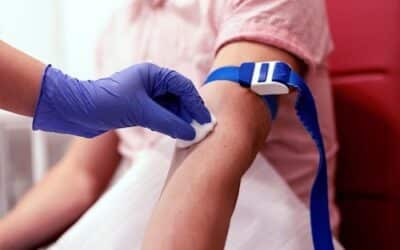
Interested in becoming a Pathology Collector?
read more

Pathology Collectors play an important role in healthcare. If you want an exciting, hands-on career then becoming a Pathology Collector may be an excellent move for you.
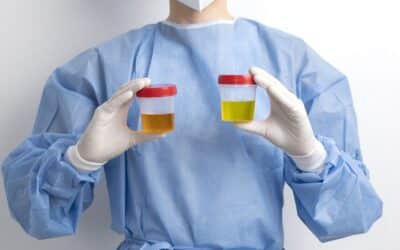
The practice of detection and management of the risks associated with the misuse of drugs and alcohol is a priority.

Smart and Skilled is the NSW Government's vocational training funding program. If you're eligible, it subsidises all or part of the fee for an approved qualification, and you pay the balance as a student fee. Adept Training (RTO 90991) is an approved provider,...

An individual support worker provides day-to-day personal and practical support to people who need help because of age or disability. The work happens in people's homes, out in the community or in residential care. In Australia, the standard entry qualification to be...

Thinking about working in healthcare? In Australia, nationally recognised Certificate III and IV qualifications can lead directly to roles such as individual support worker, pathology collector, dental assistant, medical receptionist and medical practice assistant....
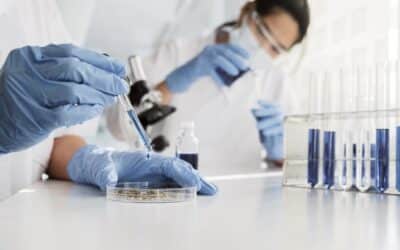
Workplace drug and alcohol testing can look simple from the outside: a sample is collected, a result comes back, and the workplace decides what happens next. Behind every test, though, sits a careful process covering consent, collection, chain of custody, privacy, and confirmatory testing. Here’s why workplaces test, how the main methods differ under AS/NZS 4308 and AS 4760, and what a fair testing process should look like.
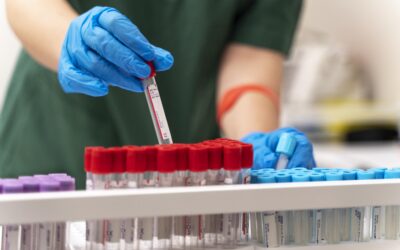
Pathology collector and pathology assistant sound alike, but they lead to very different working days. One is patient-facing, collecting blood and other specimens across collection centres, hospitals and aged care, while the other works behind the scenes receiving and processing samples in a NATA-accredited lab. Here’s how the two compare on duties, training and pay, so you can choose the right course before you enrol.

If you’ve spent years organising people, answering questions, or keeping a busy workplace running, medical reception can be a natural move into healthcare. You don’t need a clinical background to start, and skills from admin, retail, customer service, or hospitality transfer well. Here’s what the role involves, what training helps, and what you can expect to earn across Australia.

How much does a phlebotomist earn in Australia? This guide breaks down salary ranges by experience, location, and work setting, plus what impacts your earning potential in 2026.

Thinking about becoming a phlebotomist in Australia? This complete guide covers the required qualifications, training steps, salary expectations, and how to start your healthcare career quickly.
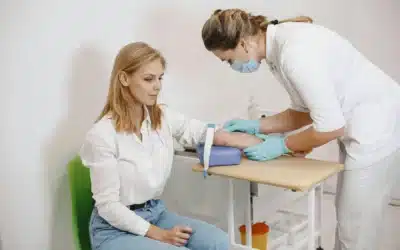
Thinking about becoming a phlebotomist in Australia? This complete guide covers the required qualifications, training steps, salary expectations, and how to start your healthcare career quickly.

Adept Training interviewed a graduate of our HLT47715 Certificate IV in Medical Practice Assisting course, to find out about her new job as a Medical Practice Assistant.
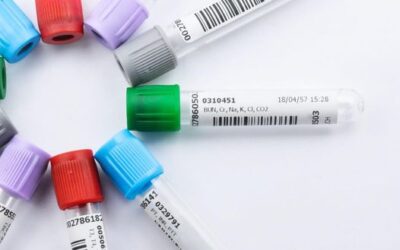
Did you know that in Australia there are approximately 24,000 people working in the pathology industry? What are the career opportunities available to you?

If you are currently working in a direct health care setting, then a very important part of your daily routine is likely preparing and administering medications. Follow these 3 tips for medication administration to help you in your role.

The safe medication administration standards, are called the “rights” of medication administration, Learn about these 8 rights now.
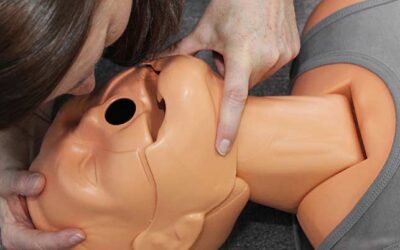
With Adept Training, you can learn the skills to be equipped for any emergency situation with our HLTAID003 Provide First Aid course.
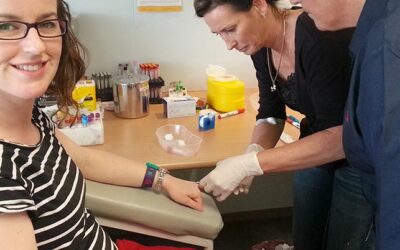
We have compiled our most common Pathology Collection FAQ. What is Pathology Collection? When it comes to diagnosing illnesses and determining treatment effectiveness, pathology collection is a hugely important step. Pathology forms the basis of healthcare and is a...
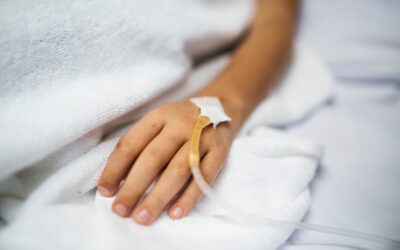
Peripheral Intravenous Cannulation (PIVCs) PIVCs are used to administer fluids or medications, blood products or nutrition, and many patients will require at least one peripheral intravenous catheter during their hospital stay. During each shift, you should assess the...
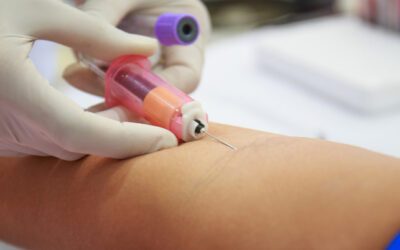
Working as a phlebotomist is considered an entry-level job, however, you will still get a very hands-on experience with patients daily
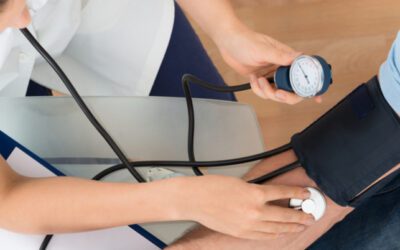
A Medical Practice Assisting course will teach you how to assist medical practitioners in a range of medical and administration tasks.
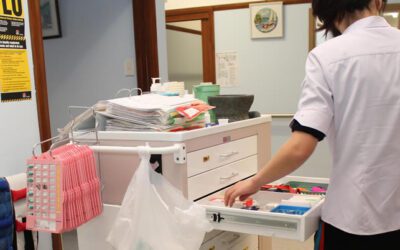
Are you lacking the skills and knowledge to administer medications in an aged, disability or home care sector? If so, then we have the solution for you. Our Course (HLTHPS007 Administer and monitor medications) is an online self-paced program. The course will provide...
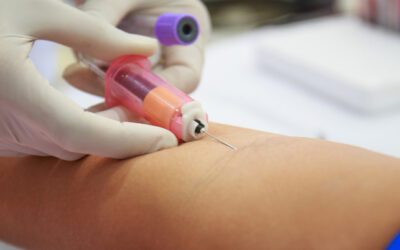
Here are five top tips to help you to succeed in your career as a Phlebotomist.
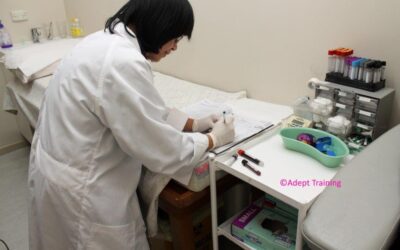
The role of a Laboratory Assistant involves many exciting responsibilities, where each day is different and where you are also presented with numerous opportunities to continually learn in your working environment.

Many job applications require the candidate to write a cover letter, this is a great opportunity to speak directly to a potential employer. Unfortunately, many people do not do this properly or skip the process entirely because they do not know what to say. Cover...