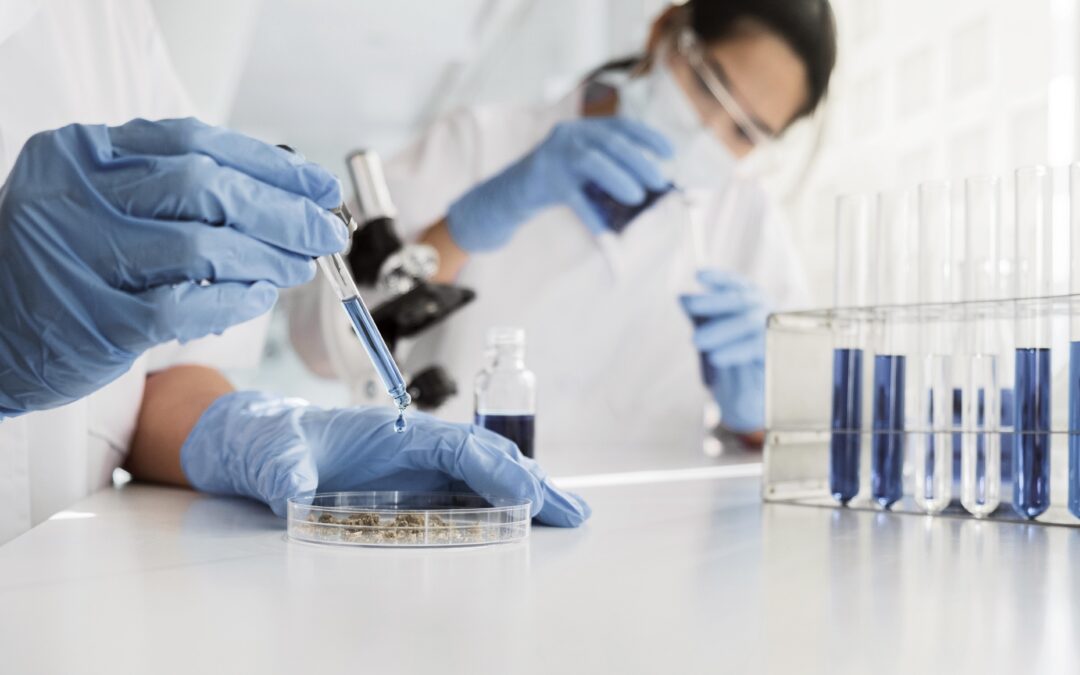
Workplace drug and alcohol testing may seem simple. A sample is collected, a result comes back, and the workplace decides what happens next. But there is a careful process behind every test, including consent, collection, chain of custody, privacy, and confirmatory testing.
For employers, testing helps manage safety risks and meet work health and safety duties. For workers, it helps to know when testing can happen, what is being tested, and how results should be handled. For people exploring practical compliance work, it also shows the important role accredited collectors play in keeping the process fair and accurate.
Below, we’ll walk through why testing happens, how the main methods differ, and what a fair testing process should look like.
Why Workplaces Test for Drugs and Alcohol
Under Australia’s Work Health and Safety (WHS) Act, employers have a duty of care to provide a safe working environment for everyone on site, including employees, contractors and visitors.
The risk is not just theoretical. Research from the Alcohol and Drug Foundation suggests that out of Australians who drink, roughly one in 37 has shown up to work while still under the influence. For those who use illicit drugs, it’s closer to one in nine.
Alcohol alone is thought to play a part in around one in 10 workplace accidents and injuries, which is a big reason employers take this seriously.
Testing programs help employers:
- Meet their WHS obligations
- Identify and manage impairment-related risks
- Maintain a safer site for all workers
- Support workers who may need help with substance use
It’s worth noting that testing isn’t about catching people out. A properly run program is one part of a broader safety and well-being strategy.
Testing Methods Compared
Several testing methods are used across Australian workplaces, each suited to different situations and detection windows.
Urine Testing — AS/NZS 4308
Urine testing is the most established method in Australia and is governed by the Australian Standard AS/NZS 4308. It can detect a wide range of substances, including cannabis, opioids, amphetamines and benzodiazepines, typically within a window of one to several days after use, depending on the substance.
Because urine testing requires a private collection, it must be performed by qualified collectors following strict chain-of-custody procedures.
Oral Fluid (Saliva) Testing — AS 4760
Oral fluid testing, as specified in AS 4760, has become increasingly popular for workplace use. It’s quick, non-invasive and can be observed directly by the collector, reducing the risk of sample tampering.
Saliva testing generally detects more recent use, often within the past 24 to 48 hours, making it useful for pre-shift or random testing where current impairment is the main concern.
Hair Testing
Hair testing is different because it looks further back in time. It can detect drug use for up to 90 days, making it useful for pre-employment screening or situations where a longer history needs to be assessed. It is less commonly used for routine workplace testing because it costs more and takes longer to process.
Breath/Alcohol Testing
For alcohol, breath testing is usually the fastest option. Breathalyser testing measures blood alcohol concentration (BAC) and is the standard method for detecting recent alcohol use. It is quick, accurate, and commonly used for pre-shift checks in safety-critical industries like transport and mining, where many sites enforce a zero-BAC policy.
When Testing Happens
Workplace testing generally falls into five categories:
- Pre-employment: Conducted before a job offer is finalised, often as a condition of employment
- Random: Unscheduled testing carried out without prior notice, designed to deter use
- Post-incident: Conducted after a workplace accident, injury or near miss to rule out impairment as a factor
- For-cause: Triggered by reasonable suspicion, such as visible signs of impairment
- Return-to-work: Used when an employee is returning after a period of leave related to substance use, often as part of an agreed rehabilitation plan
The type and frequency of testing should be clearly outlined in the employer’s drug and alcohol policy, so employees know what to expect.
The Australian Standards Explained
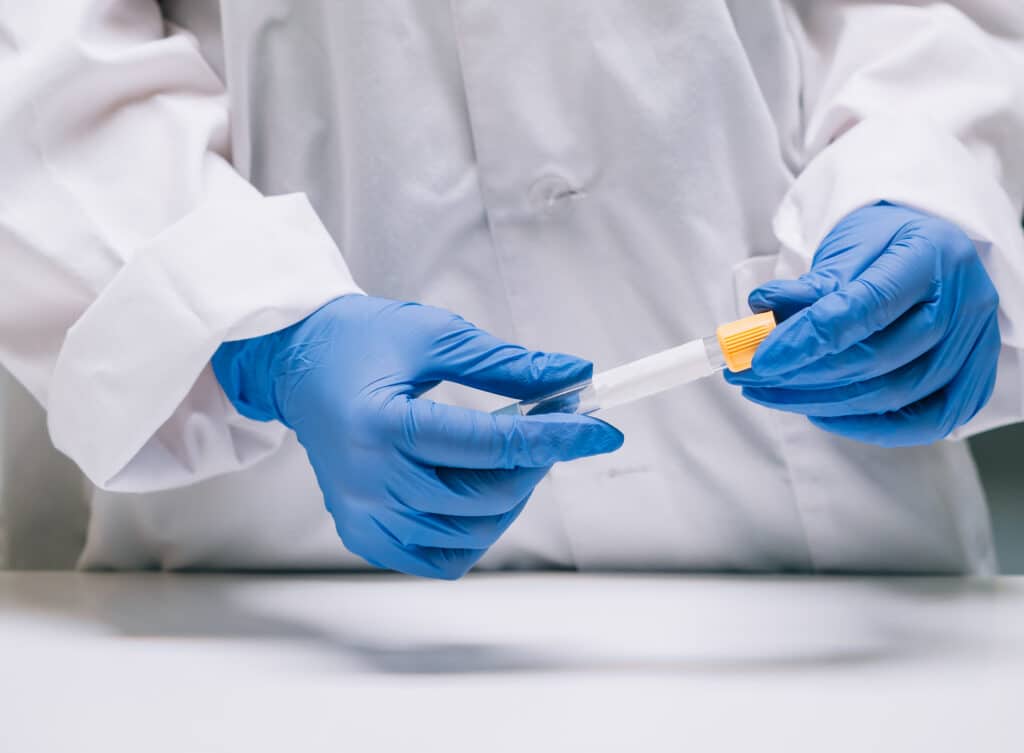
Australian Standards exist to ensure testing is accurate, consistent, and legally defensible. AS/NZS 4308 covers urine testing, while AS 4760 covers oral fluid testing. Both set out requirements for sample collection, handling and laboratory analysis.
A key concept here is the difference between screening and confirmatory testing. An initial screen, whether on-site or in a lab, gives a quick presumptive result. If it’s positive, a confirmatory test is carried out at a NATA-accredited laboratory using a more precise method, such as gas chromatography-mass spectrometry (GC-MS).
This two-step process matters because screening tests can occasionally produce false positives, for example, due to medication or diet. Confirmatory testing protects both the employer and the employee from acting on an inaccurate result. In practice, this means a worker should not face serious action based on a quick screen alone.
Employer Obligations and a Compliant Policy
Employers who run testing programs need more than just a testing kit. A legally sound program includes:
- A written drug and alcohol policy, communicated clearly to all staff
- Consistent application of the policy across all employees, regardless of seniority
- Procedural fairness, giving employees the chance to respond to a positive result
- Privacy protections around how results are stored and who can access them
- Informed consent before testing takes place
A good policy should leave very little room for guesswork. Workers should know why testing is performed, how it is carried out, who sees the results, and what steps follow if the result is non-negative.
Policies that are applied inconsistently, or that skip steps like procedural fairness, are far more likely to be successfully challenged in the Fair Work Commission.
Employee Rights and How Results Are Handled
Employees also have rights throughout the testing process. These typically include:
- Confidentiality, with results only shared with those who need to know
- The right to a confirmatory test if an initial screen returns positive
- A clear dispute process if an employee wants to challenge a result
- An explanation of what happens next, whether that’s a support pathway, a formal process, or both
Most workplaces treat a positive result as the start of a conversation, not an automatic dismissal, particularly where rehabilitation and return-to-work pathways are available.
Choosing a Testing Provider
For employers setting up or reviewing a testing program, the choice of provider matters. Things worth checking include:
- Accreditation: Does the provider’s lab hold NATA accreditation for confirmatory testing?
- On-site vs lab-based: On-site testing offers faster results, while lab-based testing is often used for confirmatory analysis
- Collector qualifications: Is the collection carried out by someone trained to the relevant national unit of competency, with a clear understanding of chain of custody requirements?
- Turnaround time: How quickly are results available, particularly for safety-critical roles?
A well-run program depends as much on the people collecting the samples as it does on the lab analysing them. Collectors are trained to follow strict procedures so that every sample is handled correctly, every result can be trusted, and every employee is treated fairly throughout the process.
Thinking About a Career in This Field?
Specimen collection is a practical skill used across workplace health, safety and compliance settings. It can suit people looking for flexible, detail-focused work after a career break or career change.
At Adept Training (RTO 90991), we train specimen collectors through our nationally recognised HLTPAT010 Collect Specimens for Drugs of Abuse Testing course available online and face-to-face, with experienced practitioners teaching the process step by step. If you’re ready to explore this pathway, get in touch with our team to find out when the next intake opens.